 Skip-the-line available
 The History of the Torre dos Clérigos
The Italian architect, the Brotherhood of the Clérigos, and how Porto got the tower that still defines its skyline.
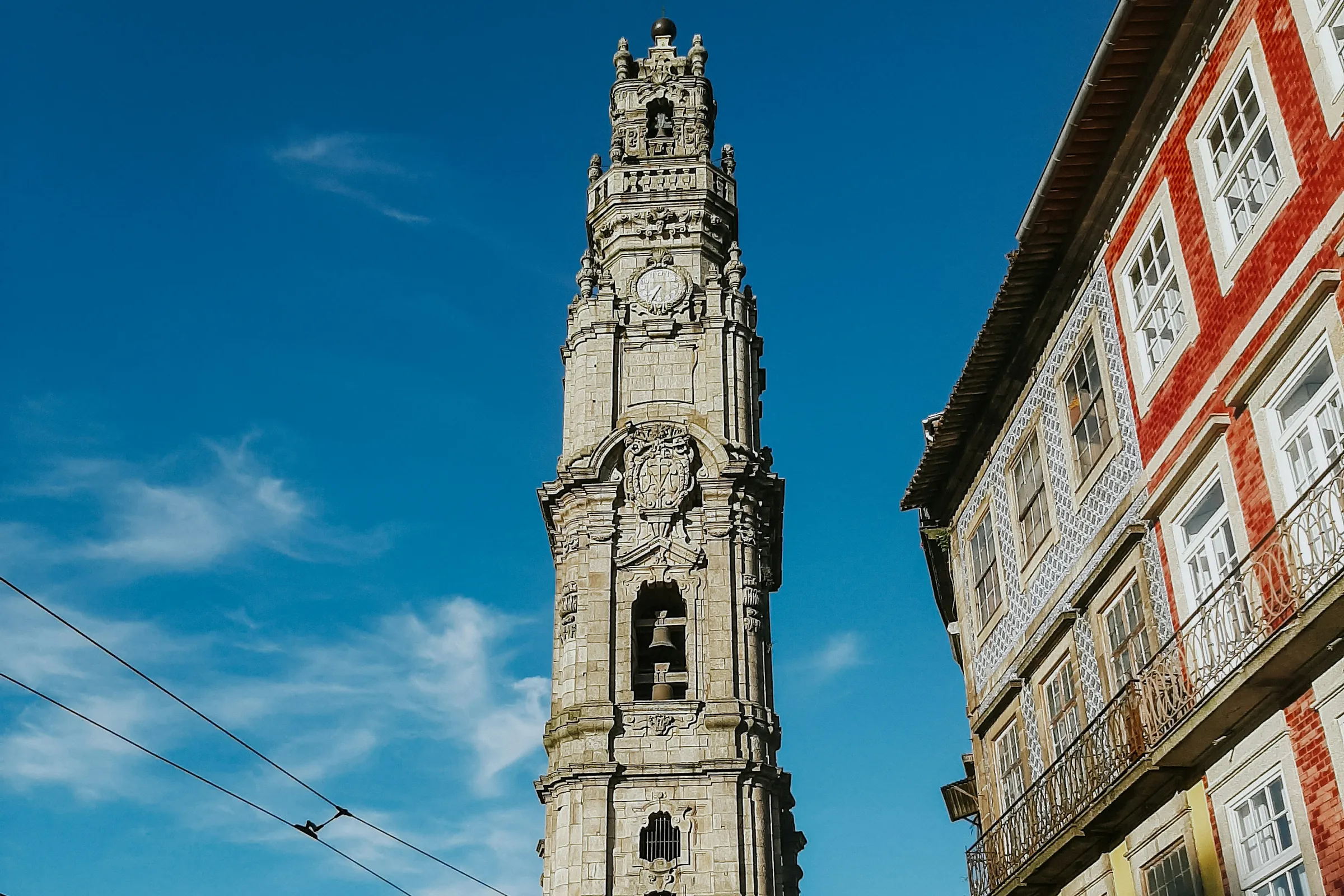
The Torre dos Clérigos has stood over Porto for more than 250 years, and behind the famous silhouette is a story of an Italian architect who made the city his own, a brotherhood of clergy who built an ensemble to last, and a tower so tall it was for a long time the highest in Portugal. This guide tells how the complex came to be, who built it and why, and how it became the enduring symbol of Porto that visitors climb today.
Nicolau Nasoni and the Brotherhood
The story begins with the Brotherhood of the Clérigos — the Irmandade dos Clérigos, an association of clergy in Porto — and with Nicolau Nasoni, an Italian-born painter and architect who arrived in the city in the 1720s and spent the rest of his life there. Nasoni became the defining figure of Baroque architecture in northern Portugal, and the brotherhood commissioned him to design their church and, later, its tower. The result was a single, unified Baroque ensemble that would come to dominate the city — and that Nasoni, by all accounts, regarded as one of his greatest works.
Nasoni's attachment to the project was personal as well as professional. So devoted was he to the church he had designed that he asked to be buried in its crypt, and his wish was granted — though the exact location of his grave is unknown. That a foreign architect chose this Porto church as his final resting place says much about how completely Nasoni had made the city his own, and about the place the Clérigos complex held in his life's work.
Building the Church and the Tower
The church came first. Construction of the Clérigos Church began in 1732 to Nasoni's design, and it broke new ground in Portugal with its elliptical plan — an oval nave that was among the first of its kind in the country and gave the interior its distinctive flowing form. It was a confident, fully Baroque statement, richly worked in carved granite, and it established the ensemble that the tower would later crown.
The tower itself was built later, between 1754 and 1763, rising to 75.6 metres over six floors. Its slender, soaring form drew on the bell towers Nasoni knew from Tuscany, and its height was deliberate: it was meant to be seen from far off, a beacon for the city and for ships coming up the Douro. On completion it was the tallest structure in Portugal, a distinction it held for a long time, and it gave Porto the vertical landmark that has anchored its skyline ever since.
A Symbol of Porto
From its completion the Torre dos Clérigos became, and has remained, the emblem of Porto. Visible across the city and from the river, it served as a landmark and a point of orientation — sailors used it to navigate toward the harbour — and it grew into the image most associated with the city itself. Generations of Porto residents and visitors have climbed its 240 steps for the view, and the silhouette of the tower appears wherever Porto represents itself to the world.
Today the tower stands within the Historic Centre of Porto, inscribed by UNESCO as a World Heritage Site in 1996 for the outstanding value of the old city above the Douro. The tower is not separately listed in its own right, but it is one of the most recognisable monuments within the protected historic area, and the brotherhood that built it still owns and runs the complex. Climbing it now connects you to two and a half centuries of the city's life — the same stair, the same view, the same tower that has watched over Porto since Nasoni's day.
Frequently asked
Who built the Torre dos Clérigos?
It was commissioned by the Brotherhood of the Clérigos and designed by the Italian-born architect Nicolau Nasoni, the defining figure of Baroque architecture in northern Portugal, who made Porto his home.
When was it built?
The Clérigos Church was begun in 1732, and the tower was built later, between 1754 and 1763. Both were designed by Nicolau Nasoni as part of a single Baroque ensemble.
How tall is the tower and why so tall?
It is 75.6 metres over six floors — for a long time the tallest structure in Portugal. Its height was deliberate, meant to be seen from across the city and from ships coming up the Douro.
Why is the church elliptical?
Nasoni laid the Clérigos Church out on an elliptical plan, among the first of its kind in Portugal, giving the interior a flowing oval form. It was a bold, fully Baroque design for its day.
Is the architect really buried in the church?
Yes — Nicolau Nasoni asked to be buried in the crypt of the Clérigos Church, and his wish was granted, though the exact location of his grave is unknown.
Is the Torre dos Clérigos a UNESCO World Heritage site?
It stands within the Historic Centre of Porto, a UNESCO World Heritage Site since 1996, so it's a landmark inside the listed area. The tower itself is not separately inscribed.
Why is the tower the symbol of Porto?
Because of its height and central position it has been visible across the city for 250 years, used as a landmark and navigation point, and it has become the image most associated with Porto.